GEO vs SEO: What’s the Difference and Do You Need Both?

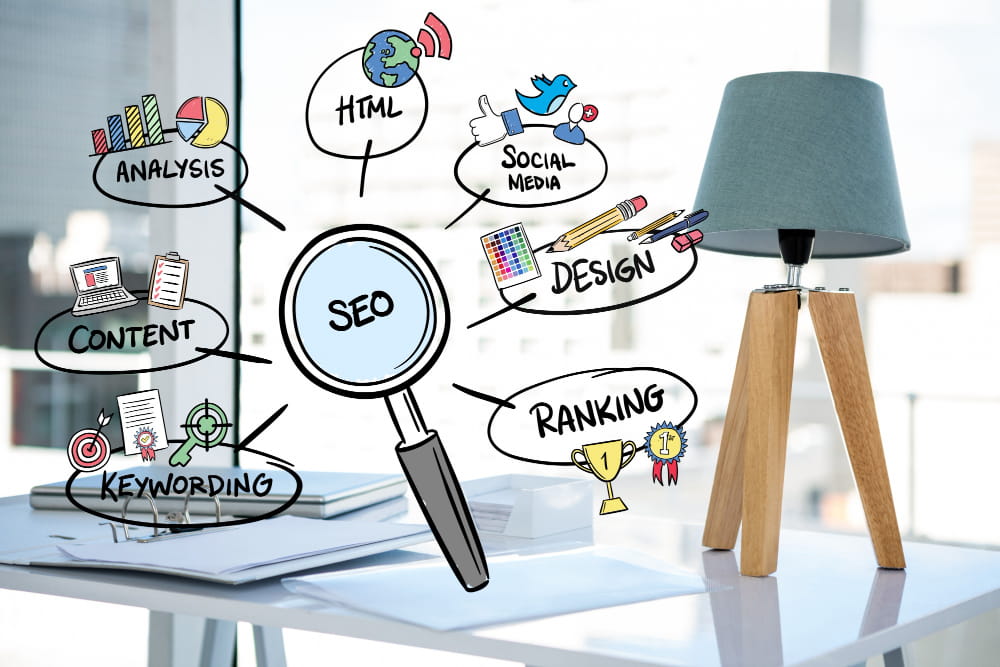
Search is changing. People still use Google to find businesses, services, products, and answers, but they are also asking AI platforms for recommendations, comparisons, and explanations.
Search is changing. People still use Google to find businesses, services, products, and answers, but they are also asking AI platforms for recommendations, comparisons, and explanations. Instead of opening several search results, a user might ask an AI tool to summarise the options and suggest what to consider. This shift has brought GEO vs SEO into the same conversation.
SEO, or Search Engine Optimization, is built around improving a website's visibility in traditional search results. GEO, or Generative Engine Optimization, is concerned with how content is understood and surfaced in AI-generated answers. The two are different, but they are not completely separate. Both depend on useful content, technical accessibility, clear information, authority, and a website that search systems can understand. For most businesses, the question is not SEO or GEO. It is how the two can work together.
What is SEO?
Search Engine Optimization is the process of improving a website so that its pages can appear more prominently in organic search results.
A traditional SEO strategy covers several areas:
- Keyword research and search intent
- Technical SEO and crawlability
- On-page content optimisation
- Internal linking
- Website speed and mobile usability
- Backlinks and external authority
- Local SEO
- Content quality and topical relevance
The goal is straightforward. When someone searches for a product, service, or answer, you want a relevant page from your website to appear among the results.
SEO also gives businesses a relatively clear path from search to website. A person searches, sees a result, clicks the page, and then takes an action such as making an enquiry, purchasing a product, booking a service, or reading more content. That model still matters.
What is GEO?
Generative Engine Optimization, commonly called GEO, is the practice of preparing content so that AI-powered search and answer systems can understand, use, and potentially cite or mention it in generated responses.
Instead of focusing only on where a page appears in a list of links, GEO considers how useful that page is as a source for an AI-generated answer.
A user might ask: "What should I look for when choosing an SEO company in Delhi?" An AI platform may combine information from several websites before producing its response. It may mention companies, explain services, compare approaches, or cite sources.
GEO is designed around this type of search behaviour. It places more emphasis on clear answers, factual information, useful context, entity understanding, strong topical coverage, and content that can be easily interpreted and referenced. That does not mean writing content only for machines. In fact, clear content tends to be useful to both people and AI systems.
GEO vs SEO: What Is the Difference?
The simplest way to understand GEO vs SEO is to look at the destination. SEO aims to improve a page's visibility in traditional search results. GEO aims to improve the likelihood that a business or piece of content is represented in an AI-generated answer.
The underlying work overlaps considerably. A technically poor website is unlikely to perform well simply because a company adds a few GEO-focused paragraphs. Similarly, publishing useful content without making the website accessible to search engines creates another problem.
The main differences appear in the way success is measured and how content is structured.
|
Factor |
SEO |
GEO |
|
Primary focus |
Visibility in traditional search results. |
Visibility and representation in AI-generated answers |
|
Search experience |
Search engines such as Google and Bing |
AI-powered search and answer platforms |
|
Main goal |
Improve rankings, organic traffic, and website visibility |
Make information easier for AI systems to understand, use, and potentially cite |
|
Content approach |
Search intent, keywords, topical relevance, and useful page experience |
Clear answers, factual context, entity information, and easily interpretable content |
|
Key signals |
Ranking, impressions, clicks, traffic, backlinks, and conversions |
AI mentions, citations, AI referral traffic, source references, and brand representation |
|
Technical foundation |
Crawling, indexing, page experience, internal linking, and site structure |
Relies on many of the same technical and content foundations |
|
User journey |
A user searches, sees a result, visits the website, and may then take an action such as making an enquiry or purchase. |
A user enters a prompt, receives an AI-generated answer, and may encounter a business or source through a citation, mention, or website link. |
|
Role |
Established search optimization practice |
Additional layer that works alongside SEO |
1. Different Search Experiences
SEO is primarily associated with search engines such as Google and Bing, where users receive a list of webpages.
GEO relates to generative search experiences such as AI-generated answers, including experiences offered by ChatGPT, Google AI features, Perplexity, and other AI platforms.
The search interface has changed, and so has the way people consume information.
2. Different Visibility Goals
SEO generally asks:
Can this page rank for the search query?
GEO asks:
Can this information be understood and used when an AI system generates an answer?
A page can still benefit from strong organic visibility while also being prepared for AI-driven discovery.
3. Different Content Requirements
SEO content needs to satisfy search intent, cover the subject properly, use relevant terminology, and provide a useful page experience.
GEO adds another consideration. Important information should be easy to identify and understand.
That means definitions, direct answers, facts, examples, clear headings, and concise explanations become particularly useful.
A paragraph that takes 200 words to reach its main point is harder to extract than a paragraph that states the answer clearly and then explains it.
4. Different Measurement Signals
SEO teams commonly monitor:
- Organic rankings
- Organic traffic
- Click-through rate
- Impressions
- Conversions
- Indexed pages
- Backlinks
- Keyword visibility
GEO measurement is still developing, but businesses can also monitor:
- Brand mentions in AI responses
- Citations or references
- Queries where the business appears
- AI-generated descriptions of the brand
- AI referral traffic
- Competitors appearing for similar prompts
- Accuracy of information shown about the business
The metrics are not identical because the user journey is not identical.
Where GEO and SEO Overlap
The difference between GEO and SEO can sometimes sound larger than it actually is. A business still needs a technically accessible website. Its content still needs to be relevant. Its information should still be accurate. Its business details should still be consistent.
Google's own documentation also states that structured data can help Google understand the content of a page, although structured data should not be treated as a guarantee of a particular search appearance. Several SEO fundamentals therefore remain useful when building a GEO strategy.
Clear Website Structure
Search systems need to understand what each page is about.
Service pages should clearly explain the service, its applications, the audience it serves, and the business providing it. Logical navigation and descriptive headings make this easier.
Strong Topical Coverage
A single page rarely answers every question a potential customer has.
A business offering AI SEO services, for example, could publish useful content around GEO, AI search, ChatGPT visibility, Google AI Overviews, technical SEO, structured data, and content optimisation.
These subjects should have a genuine connection. Publishing dozens of near-identical articles just to target different keywords adds little value.
Accurate Business Information
Name, location, services, contact details, areas served, and other important business information should remain consistent across the website and relevant external profiles.
This becomes particularly useful for businesses targeting local searches.
A GEO SEO Company in Delhi, for example, should make it clear that it serves Delhi, explain its SEO and GEO services, and provide enough information for both users and search systems to understand what the company actually does.
Useful, Evidence-Based Content
AI-generated answers need information to work from. Specific examples, original observations, data, clear explanations, author credentials, and relevant references can make a page more useful than vague statements that could apply to any company.
This is also where E-E-A-T principles matter. Demonstrating experience and expertise should not be treated as a separate paragraph added at the end. It should appear naturally throughout the content.
For example, a GEO agency could explain how it audits AI-generated mentions, what types of queries it tests, and how it checks whether business information is being represented accurately. Practical details like these give readers a better idea of how the work is actually carried out.
Do You Need GEO If You Already Do SEO?
For many businesses, adding GEO to an existing SEO strategy makes more sense than treating it as an entirely separate project. SEO remains important because websites still need to be discovered, crawled, indexed, and understood. GEO does not remove those requirements.
At the same time, search behaviour is no longer limited to traditional results pages. Users may ask AI systems for recommendations, comparisons, explanations, or summaries. That creates another visibility channel.
A company that already has strong SEO foundations may not need to rebuild its website from scratch. It can review existing pages and improve areas such as:
- Direct answers to common questions
- Content structure
- Entity information
- Author and business credibility
- Factual specificity
- Supporting evidence
- FAQ content
- Structured data where appropriate
- Topical coverage
The work should build on the existing SEO foundation rather than duplicate it.
How Can Businesses Combine GEO and SEO?
A combined strategy can be much simpler than running two completely separate content programmes.
Start With Search Intent
Find out what potential customers actually search for and ask. Look at informational, commercial, local, and service-related queries. Then identify the questions that sit behind those searches.
For example, someone searching for "GEO SEO Company in Delhi" may also want to know:
- What does a GEO SEO company do?
- Is GEO different from SEO?
- Does GEO replace traditional SEO?
- How does AI search visibility work?
- What should a business include in its GEO strategy?
Those questions can shape useful supporting content.
Build Clear Service Pages
A service page should not force visitors to guess what a company actually offers.
Explain the service, process, applications, industries, locations, and expected deliverables where relevant.
Clear service information also gives AI systems more context when they interpret the business.
Create Answer-Focused Content
Articles should answer the main question early. If a page is about GEO vs SEO, define both terms near the beginning. Then explain the differences, overlap, practical applications, and measurement. Don't hide the answer beneath five paragraphs of introduction.
Strengthen Authority
Authority does not come from repeating a keyword twenty times. It comes from demonstrating knowledge of the subject, publishing useful information, maintaining accurate business details, earning relevant mentions, and creating content that provides something beyond generic summaries.
Keep Technical SEO Healthy
Crawlability, indexing, mobile usability, page experience, internal linking, and other technical fundamentals still matter.
Google's documentation recommends ensuring pages are accessible and not blocked from crawling when implementing structured data, and it notes that recrawling and reindexing can take time after changes are made.
GEO should sit on top of these fundamentals, not replace them.
GEO vs SEO: Which One Should You Choose?
There isn't a universal need to choose one over the other. A new website with weak technical foundations should first make sure its basic SEO is working properly. A business with established organic visibility and substantial informational content may have more opportunities to add GEO-focused improvements.
The right balance depends on the business, its audience, the type of searches customers perform, and where those customers look for information.
For a service business, the practical approach is usually to build a strong SEO foundation and then make the content easier for AI systems to understand and reference.
That means fewer disconnected tactics and more overlap between content, technical SEO, local visibility, authority, and answer-focused optimisation.
What Should a GEO and SEO Strategy Include?
A practical combined strategy can include:
- Technical SEO to keep the website accessible and indexable.
- Keyword and intent research to understand what customers search for.
- Service-focused content that clearly explains what the business provides.
- Question-based content that addresses real customer concerns.
- Structured content with useful headings, short sections, definitions, and direct answers.
- Entity information that clearly connects the business with its services, location, expertise, and industry.
- Authority building through relevant mentions, quality references, and genuine expertise.
- Structured data where appropriate and supported by the search platform.
- Local SEO for businesses targeting specific cities or service areas.
- Ongoing measurement across rankings, traffic, conversions, AI mentions, citations, and referral sources.
The exact mix will vary. An e-commerce company and a local professional service firm will not need the same strategy.
Why Choose DigitalOye for GEO and SEO?
DigitalOye approaches GEO as an extension of a strong search strategy rather than a replacement for SEO. As a GEO SEO Company in Delhi, the focus can include technical SEO, content optimisation, AEO, GEO, entity-focused content, local search signals, and other elements that influence how a business is understood across search environments.
A well-built page can serve more than one purpose, bringing together organic search visibility, customer questions, business context, and AI search signals. The exact approach should still be based on the website, industry, audience, and actual search behaviour rather than applying the same GEO checklist to every business.
GEO and SEO Work Better Together
The GEO vs SEO discussion is less about replacing one discipline with another and more about understanding how search itself is changing. SEO remains focused on helping websites become visible in traditional search results. GEO adds another layer by considering how information may be interpreted and surfaced in AI-generated answers.
Businesses do not need to abandon the fundamentals that already make a website useful. They need to strengthen them with clear information, useful content, technical accessibility, relevant authority, and accurate business details.
Then add content that answers real questions directly and gives AI systems enough context to understand what the business does. That is where SEO and GEO start working together.
Frequently Asked Questions (FAQs)
-
Is GEO the same as SEO?
No. SEO focuses primarily on improving visibility in traditional search results, while GEO focuses on making content easier for AI-powered search and answer systems to understand, use, and potentially cite or mention. The two share many underlying practices.
-
Does GEO replace SEO?
No. GEO should generally be treated as an additional layer rather than a replacement for SEO. Technical SEO, content quality, crawlability, authority, and search intent remain important foundations.
-
What is the main difference between GEO and SEO?
SEO generally aims to improve a webpage's position in search results. GEO aims to improve how a business or piece of content is represented within AI-generated answers. The measurement and content approach can therefore differ.
-
Does GEO work for local businesses?
Yes. Local businesses can use GEO alongside local SEO by clearly communicating their services, location, expertise, business information, and relevant customer questions. Consistent information across important online sources is also useful.
-
How does structured data help with GEO?
Structured data gives search systems machine-readable information about a page or entity. It can provide additional context, although it does not guarantee that a page will be cited or displayed in a particular AI or search feature. Google confirms that structured data helps it understand page content.
-
How can I measure GEO performance?
You can track where your business appears in AI-generated answers, how often it is mentioned or cited, which queries produce those mentions, what sources are referenced, and whether AI-driven visitors reach your website. These measurements can be considered alongside traditional SEO metrics such as rankings, traffic, and conversions.
-
Do small businesses need GEO?
Small businesses can benefit from the same basic principles. Clear service information, strong local signals, useful content, genuine expertise, and accurate business details can make the company easier to understand across both traditional and AI-driven search.
-
Should GEO and SEO use separate content?
Not necessarily. A well-written page can serve both purposes. Instead of creating duplicate content for SEO and GEO, businesses can strengthen existing pages with clearer answers, useful facts, better structure, relevant entity information, and stronger topical coverage.
-
How long does GEO take to show results?
There is no fixed timeframe. AI platforms can change their results based on the query, available information, sources, and the specific search experience. SEO and GEO improvements should therefore be monitored over time rather than treated as a one-time task.
-
Is GEO only useful for informational searches?
Informational and research-based searches are particularly relevant because AI systems are often used to explain, compare, and summarise topics. However, businesses in other sectors can also benefit from making their services and business information easier for AI systems to understand.
As an SEO Expert, I'm dedicated to optimizing digital content for maximum visibility and engagement. With a deep understanding of search engine algorithms and trends, I specialize in driving organic traffic and improving website rankings. My expertise spans keyword research, on-page and off-page optimization, technical SEO, and analytics.
